
The Best Fluffy Pancakes recipe you will fall in love with. Full of tips and tricks to help you make the best pancakes.


The July sun hangs heavy over my backyard garden, and the zucchini plants are officially staging a takeover. Every morning, I find a new one hidden under those massive, prickly leaves. My neighbor Lucas, who usually manages his garden with the precision of a clockmaker, walked over the fence today with a basket of green beans and a handful of fresh basil.

He looked at my mountain of squash and chuckled. “Henry, if we don’t start cooking, we might actually drown in produce,” he said. We both laughed, but we knew he was right.
We retreated to the kitchen at Hungerix.com, wiped the dirt from our hands, and decided to make a massive pot of Summer Minestrone. This dish represents everything we love about seasonal cooking. It feels light enough for a warm evening, yet hearty enough to satisfy a real appetite.
We don’t follow a strict set of rules when we build our Summer Minestrone. Instead, we let the garden tell us what belongs in the pot. This particular Summer Minestrone captured the essence of the season perfectly, and I cannot wait to share our process with you.
Cooking with Lucas always turns into an experiment. While I like to stick to the basics, Lucas always wants to try one more herb or a different bean variety. For this Summer Minestrone, we focused on the vibrancy of the vegetables.
We wanted colors that popped and flavors that tasted like sunshine. You won’t find the heavy, tomato-paste-laden broth of a winter soup here. Instead, this Summer Minestrone uses a light, savory base that lets the natural sweetness of the corn and the crunch of the green beans shine through.
We spent the afternoon chopping, chatting, and tasting. By the time the Summer Minestrone finished simmering, the whole house smelled like a Mediterranean garden. It reminded us that the best meals often come from the simplest ingredients.
This Summer Minestrone is our tribute to the peak of the growing season. Whether you have your own garden or you just visited the local farmers market, this Summer Minestrone will help you make the most of your haul. Grab your favorite heavy-bottomed pot and join us in the kitchen for a bowl of pure summer joy.
Why You’ll Love This Summer Minestrone
You will absolutely love this Summer Minestrone because it prioritizes freshness over everything else. Many traditional soups feel too heavy for the warmer months, but this Summer Minestrone breaks that mold. We use a clear, herb-infused broth that keeps the palate refreshed.
This Summer Minestrone also offers incredible versatility. Lucas and I often say that no two pots of Summer Minestrone ever taste exactly the same, and that is the beauty of it. You can swap the vegetables based on what you have on hand.
If your peppers are ripening faster than your zucchini, toss them in! This Summer Minestrone also serves as a nutritional powerhouse. It packs vitamins, fiber, and plant-based protein into every single spoonful.
Furthermore, this Summer Minestrone is a fantastic meal-prep option. It actually tastes better the next day after the flavors have a chance to mingle and introduce themselves. We also love that this Summer Minestrone remains approachable for any skill level.
You don’t need fancy techniques or expensive equipment. All you need is a sharp knife and a bit of patience for the chopping. Lastly, this Summer Minestrone brings a sense of comfort.
Even on a hot day, a warm bowl of light soup feels grounding and wholesome. It invites you to slow down and enjoy the flavors of the earth. When you serve a bowl of Summer Minestrone, you are serving a bowl of handcrafted care.
Ingredients You’ll Need
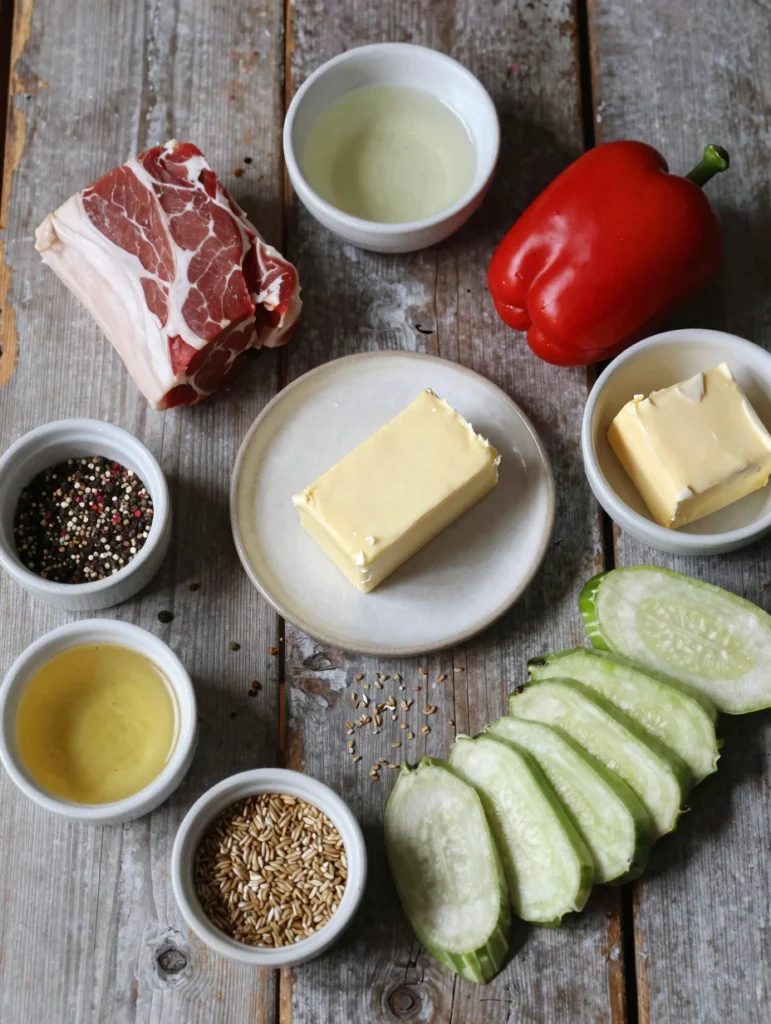
Choosing the right ingredients for your Summer Minestrone makes all the difference. We recommend using the freshest produce you can find. Look for vegetables that feel firm and vibrant.
For the broth, a high-quality vegetable or chicken stock provides the best foundation. Lucas always insists on fresh herbs rather than dried ones for this specific Summer Minestrone recipe. The fresh basil and parsley provide a bright finish that dried herbs simply cannot replicate. Below is the list of everything you will need to create this masterpiece.
| Ingredient | Amount | Purpose |
|---|---|---|
| Olive Oil | 2 tbsp | Sautéing aromatics |
| Yellow Onion | 1 medium, diced | Sweet flavor base |
| Garlic | 4 cloves, minced | Savory depth |
| Carrots | 2 large, diced | Texture and sweetness |
| Celery | 2 stalks, diced | Classic aromatic crunch |
| Zucchini | 2 medium, diced | Summer seasonal star |
| Yellow Squash | 1 medium, diced | Soft texture and color |
| Green Beans | 1 cup, trimmed and cut | Fresh snap |
| Fresh Tomatoes | 3 large, chopped | Acid and brightness |
| Cannellini Beans | 1 can (15 oz), rinsed | Creamy protein |
| Vegetable Broth | 6 cups | Savory liquid base |
| Ditalini Pasta | 1/2 cup, uncooked | Hearty texture |
| Fresh Basil | 1/4 cup, chopped | Aromatic finish |
| Parmesan Rind | 1 piece (optional) | Umami boost |
| Salt and Pepper | To taste | Essential seasoning |
Substitutions & Variations
One of the reasons Lucas and I make Summer Minestrone so often is its flexibility. You can easily adapt this recipe to fit your dietary needs or pantry stock. If you want to make a gluten-free Summer Minestrone, simply swap the ditalini for a gluten-free pasta variety or use diced potatoes instead.
For those following a vegan diet, omit the Parmesan cheese and the rind. You can add a tablespoon of nutritional yeast to the Summer Minestrone broth to regain that salty, savory depth.
If you prefer more protein, consider adding cooked shredded chicken or small cubes of pancetta at the beginning of the process. You can also vary the greens. While we love green beans in our Summer Minestrone, fresh peas or even chopped kale work beautifully.
If you don’t have cannellini beans, chickpeas or navy beans serve as excellent substitutes. For a spicy kick, add a pinch of red pepper flakes when you sauté the garlic. Lucas sometimes swirls a spoonful of basil pesto into each bowl of Summer Minestrone right before serving. This tiny addition transforms the dish into something even more gourmet and flavorful.
If you’re looking for a comforting soup that can be easily tailored to your dietary preferences, check out our Chicken Noodle Soup for Summer. This recipe offers a delightful twist on classic flavors while maintaining flexibility.
Step-by-Step Instructions
Follow these steps to create the most flavorful Summer Minestrone you have ever tasted. We focus on layering the flavors one by one to ensure every bite is perfect. Active cooking keeps the process engaging and fun.
- Prepare the Aromatics: Heat the olive oil in a large Dutch oven or heavy-bottomed pot over medium heat. Add the diced onion, carrots, and celery. Sauté these vegetables for about 8 to 10 minutes until they soften and the onions become translucent.
- Add Garlic and Seasoning: Stir in the minced garlic. Cook for only 1 minute until it becomes fragrant. Avoid browning the garlic, as this can make your Summer Minestrone taste bitter. Add a generous pinch of salt and black pepper now.
- Integrate Hearty Veggies: Toss in the zucchini, yellow squash, and green beans. Stir well to coat them in the oil and aromatics. Sauté for another 5 minutes. This step helps the vegetables hold their shape later in the Summer Minestrone.
- Pour the Liquids: Add the chopped tomatoes and their juices. Pour in the vegetable broth. If you have a Parmesan rind, drop it into the pot now. The rind infuses the Summer Minestrone with a rich, salty flavor that water alone cannot provide.
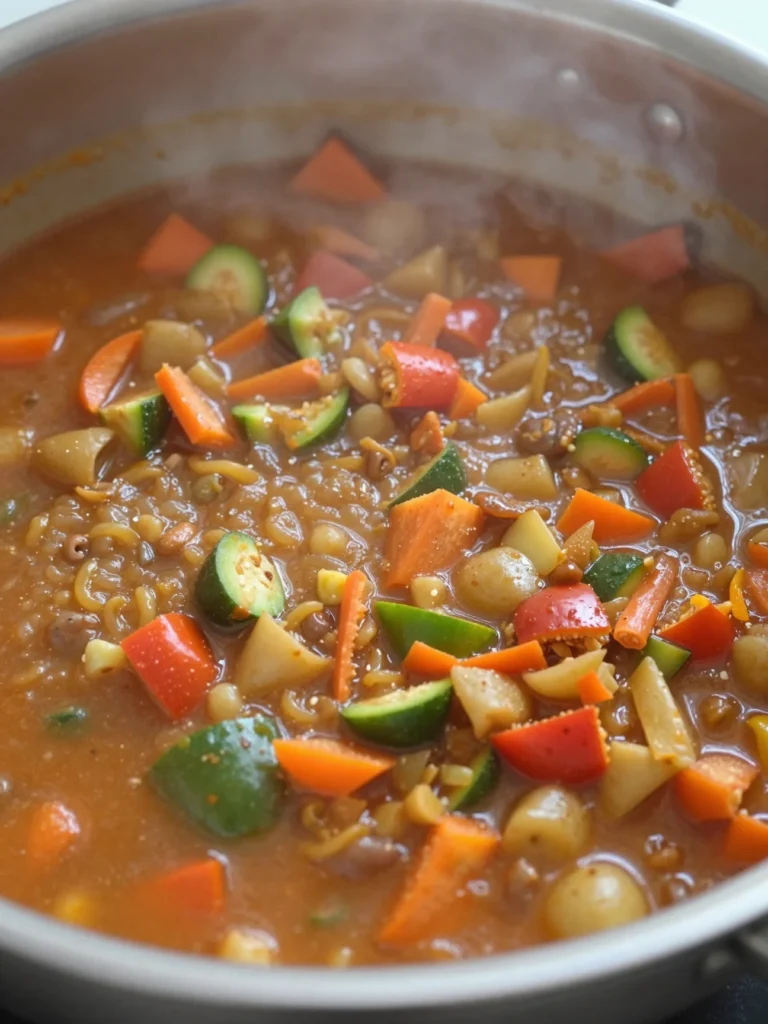
- Simmer to Perfection: Bring the liquid to a gentle boil, then reduce the heat to low. Let the Summer Minestrone simmer for about 15 minutes. You want the vegetables tender but not mushy.
- Cook the Pasta and Beans: Stir in the rinsed cannellini beans and the ditalini pasta. Continue to simmer for another 8 to 10 minutes, or until the pasta reaches an al dente texture. Check the Summer Minestrone frequently so the pasta doesn’t overcook.
- Final Touches: Remove the Parmesan rind. Turn off the heat and stir in the fresh chopped basil. Taste the Summer Minestrone one last time and adjust the salt or pepper if necessary.
- Serve: Ladle the hot Summer Minestrone into bowls. Garnish with a sprinkle of freshly grated Parmesan cheese and a drizzle of extra virgin olive oil.
Pro Tips for Success
To truly master Summer Minestrone, you need to pay attention to the details. Lucas always reminds me that the size of the vegetable dice matters. If you cut all your vegetables into uniform, small cubes, they will cook evenly and fit perfectly on a spoon.
This makes the Summer Minestrone much more enjoyable to eat. Another tip involves the pasta. If you plan on having leftovers, consider cooking the pasta separately.
Pasta tends to soak up the broth over time, which can turn your Summer Minestrone into a thick stew by the next day. By adding the pasta to individual bowls, you keep the broth clear and the pasta firm.
Always season in layers. Don’t wait until the end to add salt. Add a little bit to the onions, a little more to the squash, and a final adjustment at the end.
This builds a complex flavor profile throughout the Summer Minestrone. Also, don’t rush the sautéing of the base vegetables. Developing that initial sweetness in the onions and carrots provides the backbone for the entire dish.
If your Summer Minestrone feels like it needs a bit more “zing,” add a squeeze of fresh lemon juice just before serving. The acid cuts through the richness of the beans and brightens the summer produce beautifully. Finally, use the best olive oil you can afford for the final drizzle. It adds a luxurious mouthfeel to the Summer Minestrone that rounds out the experience.
To enhance your Summer Minestrone skills, consider our guide on Light Summer Vegetable Broth. This broth will help you achieve the perfect balance of flavors and textures in your soup.
Storage & Reheating Tips
Storing your Summer Minestrone is quite simple. Allow the soup to cool completely to room temperature before transferring it to airtight containers. You can keep Summer Minestrone in the refrigerator for up to 4 days.
As mentioned before, the pasta may absorb some liquid, so you might need to add a splash of water or broth when you reheat it. To reheat, place the Summer Minestrone in a saucepan over medium-low heat. Stir occasionally until it reaches your desired temperature. Avoid using high heat, as you don’t want to overcook the delicate summer vegetables.
If you want to freeze Summer Minestrone, we recommend doing so without the pasta. Frozen pasta often becomes grainy and mushy upon thawing. Freeze the vegetable and broth base in freezer-safe bags or containers for up to 3 months.
When you are ready to eat, thaw the Summer Minestrone in the fridge overnight. Heat it up on the stove and drop in fresh pasta to cook directly in the broth. This method ensures your Summer Minestrone tastes just as fresh as the day you made it. Lucas and I often freeze small portions for quick lunches during the busy harvest weeks.
What to Serve With This Recipe
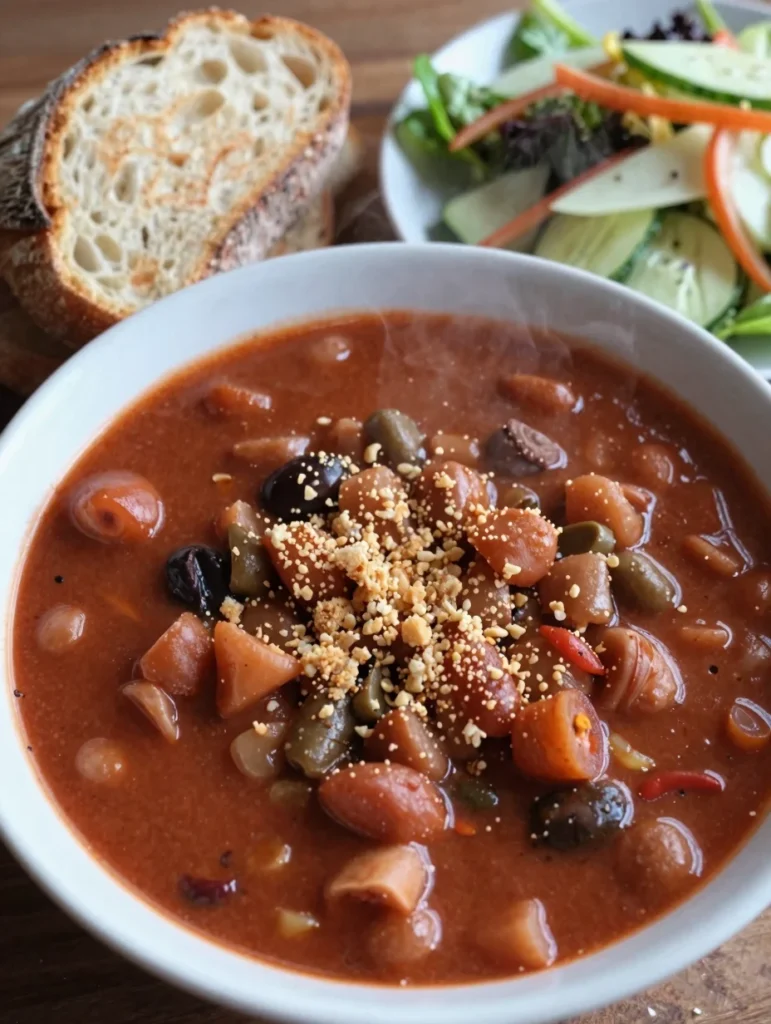
This Summer Minestrone stands well on its own, but the right side dishes can elevate it to a full feast. We almost always serve this with a loaf of crusty sourdough bread. You need something sturdy to soak up every last drop of that herb-scented broth.
A simple side salad with a light lemon vinaigrette also complements the Summer Minestrone without overwhelming the palate. If you want something a bit more indulgent, try making a batch of garlic herb butter to spread on your toasted bread.
For a perfect summer pairing, serve the Summer Minestrone alongside a chilled glass of dry white wine, like a Pinot Grigio or Sauvignon Blanc. The crisp acidity of the wine mirrors the brightness of the tomatoes in the soup. If you are hosting a gathering, a small platter of Italian cured meats and olives makes for a great appetizer before the main Summer Minestrone course.
For dessert, something light like a lemon sorbet or fresh berries keeps the meal feeling airy and seasonal. No matter what you choose, the Summer Minestrone remains the star of the show.
While Summer Minestrone is a satisfying dish on its own, pairing it with a Mixed Green Summer Salad can elevate your meal. The lightness of the salad complements the hearty soup beautifully.
Nutrition Information (per serving)
Eating healthily doesn’t have to be boring, and this Summer Minestrone proves it. It provides a balanced mix of complex carbohydrates, plant-based proteins, and healthy fats. Because it relies heavily on fresh vegetables, it is naturally low in calories but high in essential nutrients like Vitamin A, Vitamin C, and potassium. Below is an approximate nutritional breakdown for one serving of our Summer Minestrone.
| Nutrient | Amount per Serving |
|---|---|
| Calories | 210 kcal |
| Total Fat | 6g |
| Saturated Fat | 1g |
| Cholesterol | 2mg |
| Sodium | 580mg |
| Total Carbohydrates | 32g |
| Dietary Fiber | 7g |
| Sugars | 5g |
| Protein | 9g |
FAQs
Can I freeze Summer Minestrone?
Yes, you can freeze Summer Minestrone quite successfully. However, we strongly suggest freezing the soup without the pasta. Pasta tends to lose its texture and become soft after freezing and thawing.
Simply freeze the vegetable broth base and add freshly cooked pasta when you are ready to serve the thawed Summer Minestrone. This keeps the dish high-quality and delicious.
What is the difference between classic and Summer Minestrone?
Classic minestrone often features heavier ingredients like potatoes, cabbage, and a thick tomato-based broth, making it perfect for winter. Summer Minestrone, on the other hand, utilizes lighter seasonal produce like zucchini, yellow squash, and fresh corn. The broth in a Summer Minestrone is typically clearer and lighter, emphasizing the fresh, garden flavors of the warmer months.
Can I make Summer Minestrone in a slow cooker?
You can certainly make Summer Minestrone in a slow cooker. Place all the ingredients except for the pasta and fresh herbs into the slow cooker. Cook on low for 4 to 6 hours.
Add the pasta during the last 30 minutes of cooking. Stir in the fresh basil just before serving to ensure the Summer Minestrone maintains its bright, aromatic profile.
How do I keep the vegetables from getting mushy?
The key to avoiding mushy vegetables in your Summer Minestrone is timing. Sauté the firmer vegetables like carrots and onions first, and add the softer squash and zucchini later. Also, do not over-simmer the soup.
Once the pasta reaches al dente, remove the Summer Minestrone from the heat immediately. The residual heat will continue to cook the vegetables slightly without turning them into a puree.
Is Summer Minestrone vegan?
This Summer Minestrone recipe can easily be made vegan. Use vegetable broth instead of chicken broth and omit the Parmesan rind and the cheese garnish. To maintain the savory depth of the Summer Minestrone, you can add a tablespoon of nutritional yeast or a bit of extra sea salt. The abundance of fresh vegetables and beans ensures the Summer Minestrone remains filling and flavorful even without animal products.
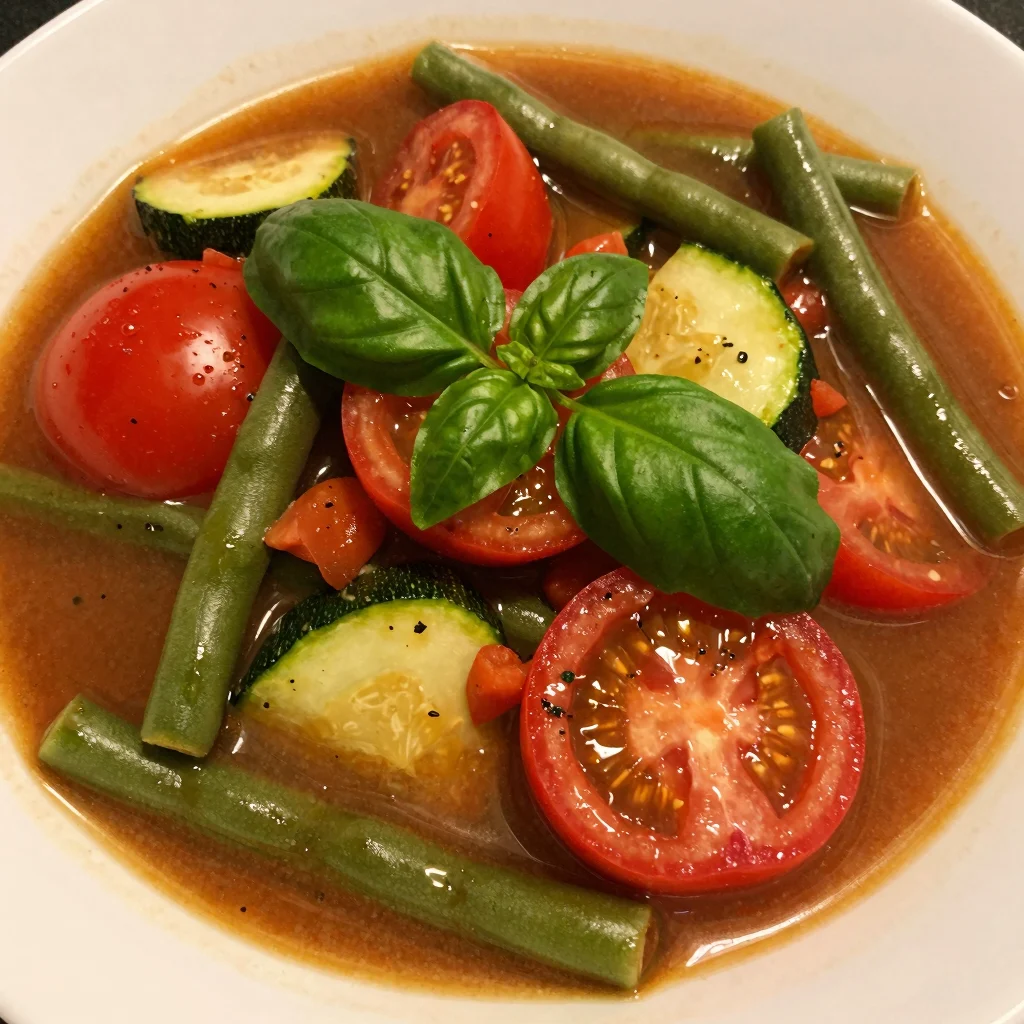
Summer Minestrone
A light and refreshing Summer Minestrone soup made with seasonal vegetables, herbs, and a clear broth, perfect for warm evenings.
Ingredients
Method
- Heat the olive oil in a large Dutch oven or heavy-bottomed pot over medium heat. Add the diced onion, carrots, and celery. Sauté for about 8 to 10 minutes until softened.
- Stir in the minced garlic and cook for 1 minute until fragrant. Add salt and black pepper.
- Add the zucchini, yellow squash, and green beans. Sauté for another 5 minutes.
- Add the chopped tomatoes and their juices, then pour in the vegetable broth. If using, add the Parmesan rind.
- Bring to a gentle boil, then reduce heat to low and let simmer for about 15 minutes.
- Stir in the rinsed cannellini beans and ditalini pasta. Simmer for another 8 to 10 minutes until pasta is al dente.
- Remove the Parmesan rind, stir in fresh chopped basil, and adjust seasoning if necessary.
- Ladle into bowls and garnish with grated Parmesan cheese and a drizzle of olive oil.
Notes
For a gluten-free version, substitute ditalini with gluten-free pasta or diced potatoes. For vegan, omit Parmesan and add nutritional yeast.