The Best Fluffy Pancakes recipe you will fall in love with. Full of tips and tricks to help you make the best pancakes.


Last Tuesday afternoon, a crisp autumn breeze rattled the windowpanes in my kitchen. Henry, my neighbor and partner in crime at Hungerix.com, knocked on the back door with a massive bunch of Lacinato kale in his hand. He looked at me with a grin and said, “Lucas, it is time for a pot of Ribollita.” I knew exactly what he meant.

There is something profoundly comforting about this thick, Tuscan bread soup. We spent the next three hours chopping, stirring, and sharing stories about our favorite meals. As the savory scent of garlic and rosemary filled the air, we realized why this dish remains a staple in our homes.
Ribollita represents more than just a meal, it represents the art of using what you have to create something extraordinary. Traditionally, Tuscan cooks made Ribollita by reheating leftover minestrone and adding stale bread. This “reboiled” soup gains depth and character with every passing hour.
By the time we sat down to eat, the flavors had melded into a rich, hearty stew. We tore off pieces of crusty bread and dove into our bowls. Every spoonful of this Ribollita tasted like home.
It reminded us that the best recipes do not require expensive ingredients. Instead, they require patience, love, and a little bit of shared history between friends.
Why You’ll Love This Hearty Ribollita Recipe
You will absolutely adore this Ribollita because it defines comfort food in its purest form. First, this recipe is incredibly budget-friendly. It relies on humble ingredients like canned beans, seasonal greens, and day-old bread.
You likely have most of these items in your pantry right now. Furthermore, Ribollita is a nutritional powerhouse. It packs fiber from the cannellini beans and vitamins from the dark leafy greens.
Consequently, you feel satisfied and energized after a single bowl. Another reason to love this Ribollita is its versatility. You can easily adapt the vegetables based on what is growing in your garden or sitting in your crisper drawer.
This dish also tastes even better the next day. As the soup sits, the bread absorbs the savory broth, creating a unique, porridge-like texture that feels incredibly luxurious. Finally, cooking Ribollita brings people together.
Whether you are cooking with a friend like Henry or preparing a family Sunday dinner, the process of making this soup encourages slow living. You will appreciate the way the simple ingredients transform into a complex masterpiece. This Ribollita proves that simple cooking often yields the most impressive results.
Ingredients You’ll Need
To create an authentic and flavorful Ribollita, you must select fresh and high-quality staples. Each ingredient plays a vital role in building the layers of flavor that define this classic soup. Use the following table as your shopping guide.
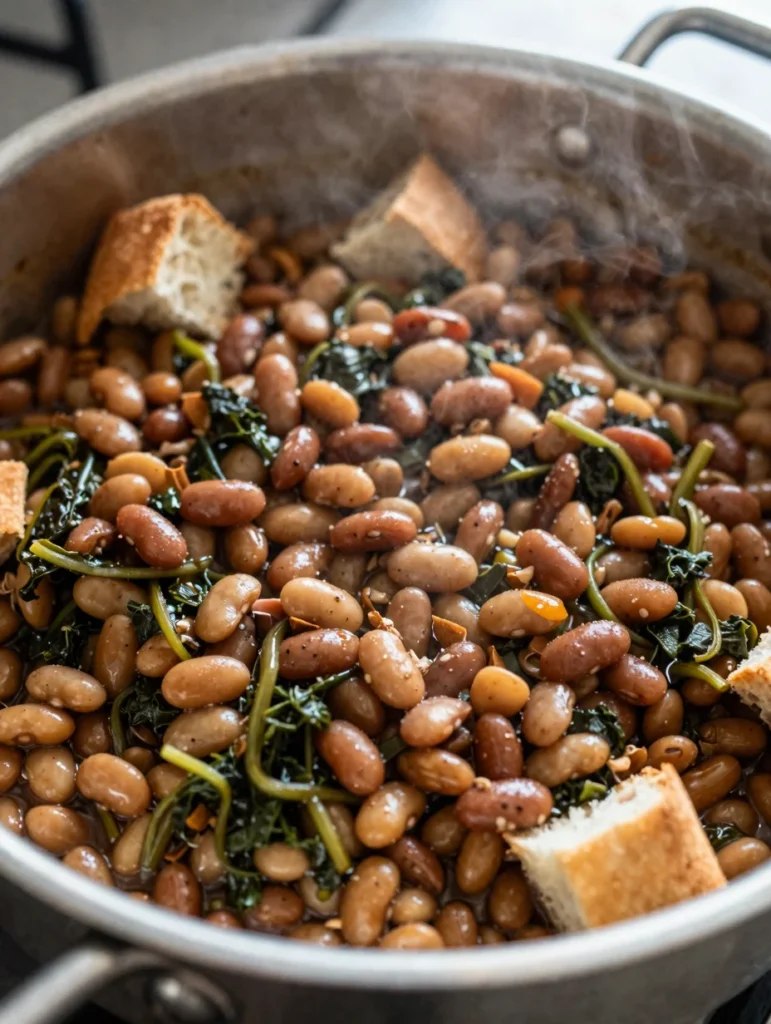
For a truly Italian experience, pair your Ribollita with a glass of Chianti or another medium-bodied red wine. The tannins in the wine interact wonderfully with the kale and olive oil. If you prefer a non-alcoholic option, a sparkling water with a wedge of lemon provides a refreshing contrast.
For dessert, keep it simple with some fresh fruit or a small piece of dark chocolate. Because Ribollita is so hearty, you do not need a heavy second course. Focus on light, bright flavors that balance the soup’s rustic intensity.
FAQs
What is the difference between Minestrone and Ribollita?
While both are vegetable-heavy Italian soups, the primary difference lies in the bread and the cooking process. Minestrone is a fresh vegetable soup often containing pasta or rice. Ribollita, however, specifically uses stale bread as a thickener and involves “reboiling” the soup to create a much thicker, stew-like consistency. Ribollita always features beans and kale, whereas minestrone varies more widely by season.
Can I make Ribollita in a slow cooker?
Yes, you can adapt this recipe for a slow cooker. Sauté the onions, carrots, and celery in a pan first to develop flavor, then transfer everything except the bread to the slow cooker. Cook on low for 6 to 8 hours.
Add the stale bread during the last 30 minutes of cooking so it can absorb the broth without completely disintegrating. This method makes a delicious and convenient Ribollita.
Why do you put bread in Ribollita?
The bread serves as both a thickener and a way to avoid food waste. Historically, Tuscan peasants could not afford to throw away bread, so they incorporated stale loaves into soups. In a Ribollita, the bread breaks down and creates a creamy, hearty texture that makes the soup incredibly filling. It transforms a simple broth into a substantial, rib-sticking meal.
Is Ribollita supposed to be thick or thin?
A traditional Ribollita should be very thick. It should almost have the consistency of a porridge or a thick mash rather than a watery soup. In some parts of Tuscany, people say a spoon should be able to stand upright in a proper bowl of Ribollita. However, you can adjust the broth levels to suit your personal preference if you enjoy a slightly thinner consistency.
What kind of kale is best for Ribollita?
Lacinato kale, also known as dinosaur kale or cavolo nero, is the traditional choice for Ribollita. It has a deep, dark green color and a slightly sweeter, earthier flavor than curly kale. It also holds its texture well during the long simmering process. If you cannot find it, curly kale is an acceptable substitute, but Lacinato provides the most authentic experience.
Nutrition Information (per serving)
This nutritional profile reflects a hearty bowl of Ribollita made with the ingredients listed above. It provides a balanced mix of complex carbohydrates, plant-based protein, and healthy fats.
| Metric | Amount per Serving |
|---|---|
| Calories | 345 kcal |
| Total Fat | 12g |
| Saturated Fat | 2g |
| Cholesterol | 0mg |
| Sodium | 680mg |
| Total Carbohydrates | 48g |
| Dietary Fiber | 11g |
| Sugars | 5g |
| Protein | 14g |
| Vitamin A | 120% DV |
| Vitamin C | 85% DV |
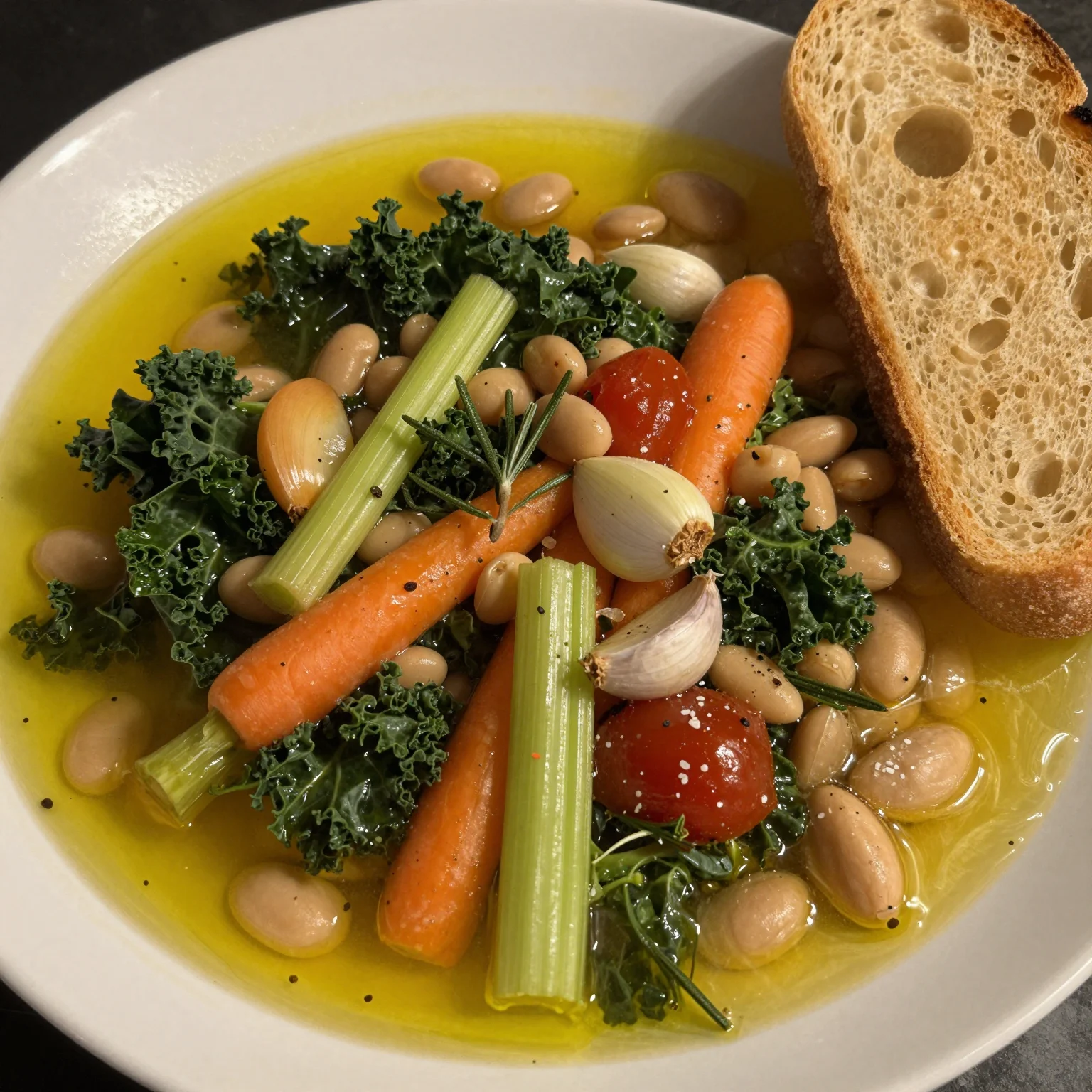
Ribollita
Ribollita is a thick, Tuscan bread soup that embodies comfort food with its rich flavors and hearty ingredients. Traditionally made by reheating leftover minestrone and adding stale bread, this dish is a celebration of using humble ingredients to create something extraordinary.
Ingredients
Method
- Heat olive oil in a large pot over medium heat. Add diced onion, carrots, and celery. Sauté for 10-12 minutes until softened.
- Stir in minced garlic and red pepper flakes, cooking for another 2 minutes until fragrant.
- Add canned tomatoes with juices, then stir in chopped kale and cabbage until slightly softened.
- Incorporate mashed and whole cannellini beans, pour in broth, and add herb sprigs. Season with salt and pepper. Bring to a boil, then reduce heat and simmer for at least 45 minutes.
- Taste and adjust seasoning. Remove herb sprigs and stir in torn bread. Let sit for 10-15 minutes to absorb broth.
- Serve hot, drizzled with olive oil and topped with grated Parmesan cheese.
Notes
Use stale bread for the best texture. If using fresh bread, toast it first. Allow the soup to rest before serving for enhanced flavors.
Ribollita is a traditional Tuscan soup that embodies the essence of rustic Italian cooking. This dish, often made with leftover vegetables and stale bread, showcases the importance of resourcefulness in culinary traditions, making it a beloved comfort food in many households. For more on its history, check out this Ribollita article.